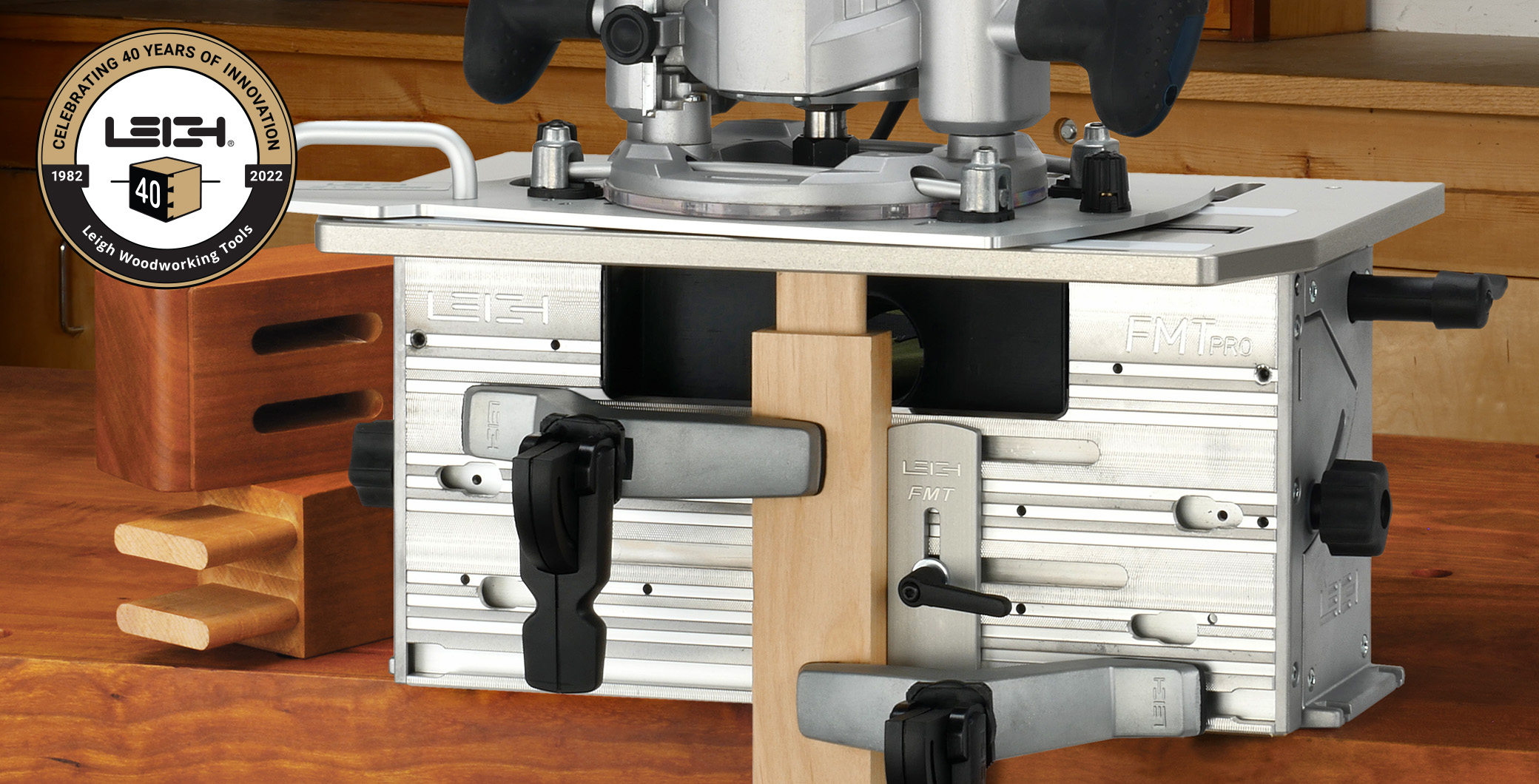
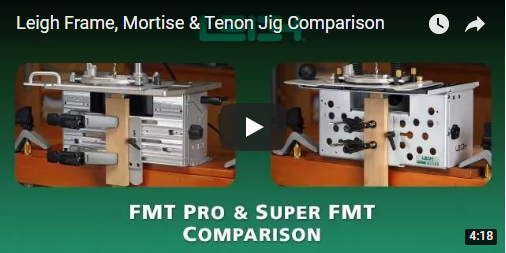
With the FMT Pro, you can rout 68 sizes of standard inch joints from 1/16" x 1/8" up to 1/2" x 5" (79 metric, from 2 x 4 mm up to 12 x 130 mm) using 21 standard guides (24 metric) and one or two Leigh bits. Custom joint sizes up to 1/2" x 5" (12 x 130 mm) can also be achieved.
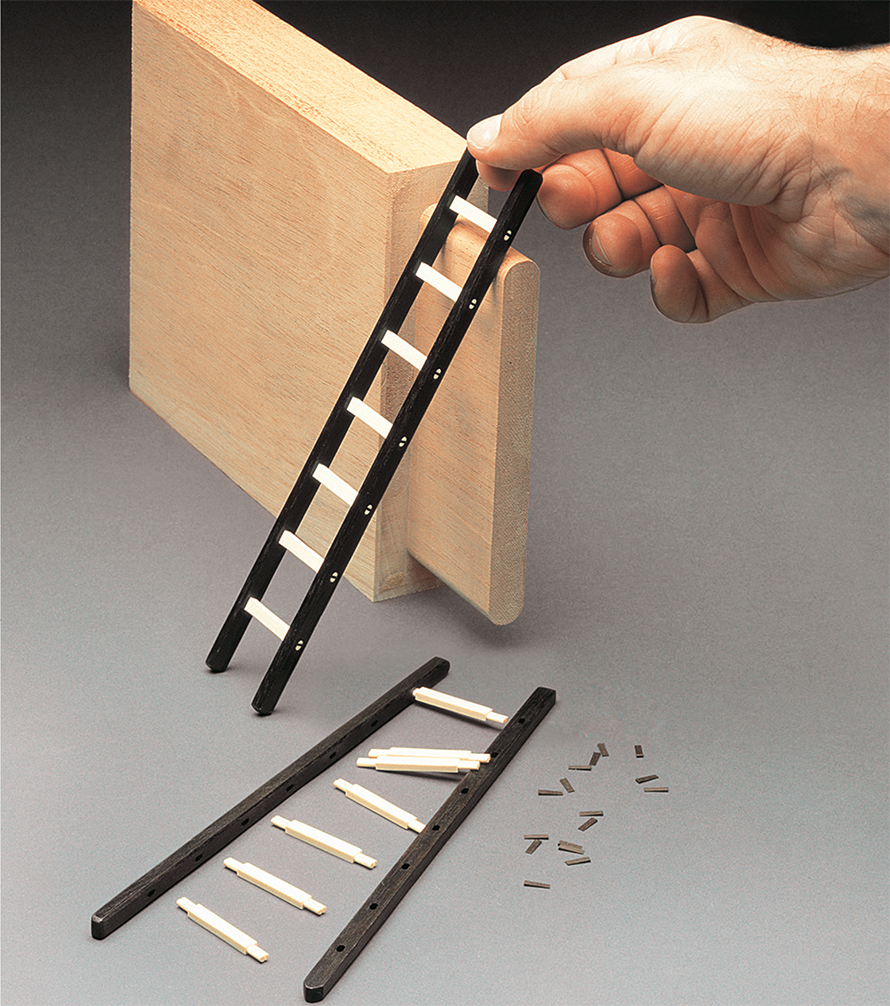
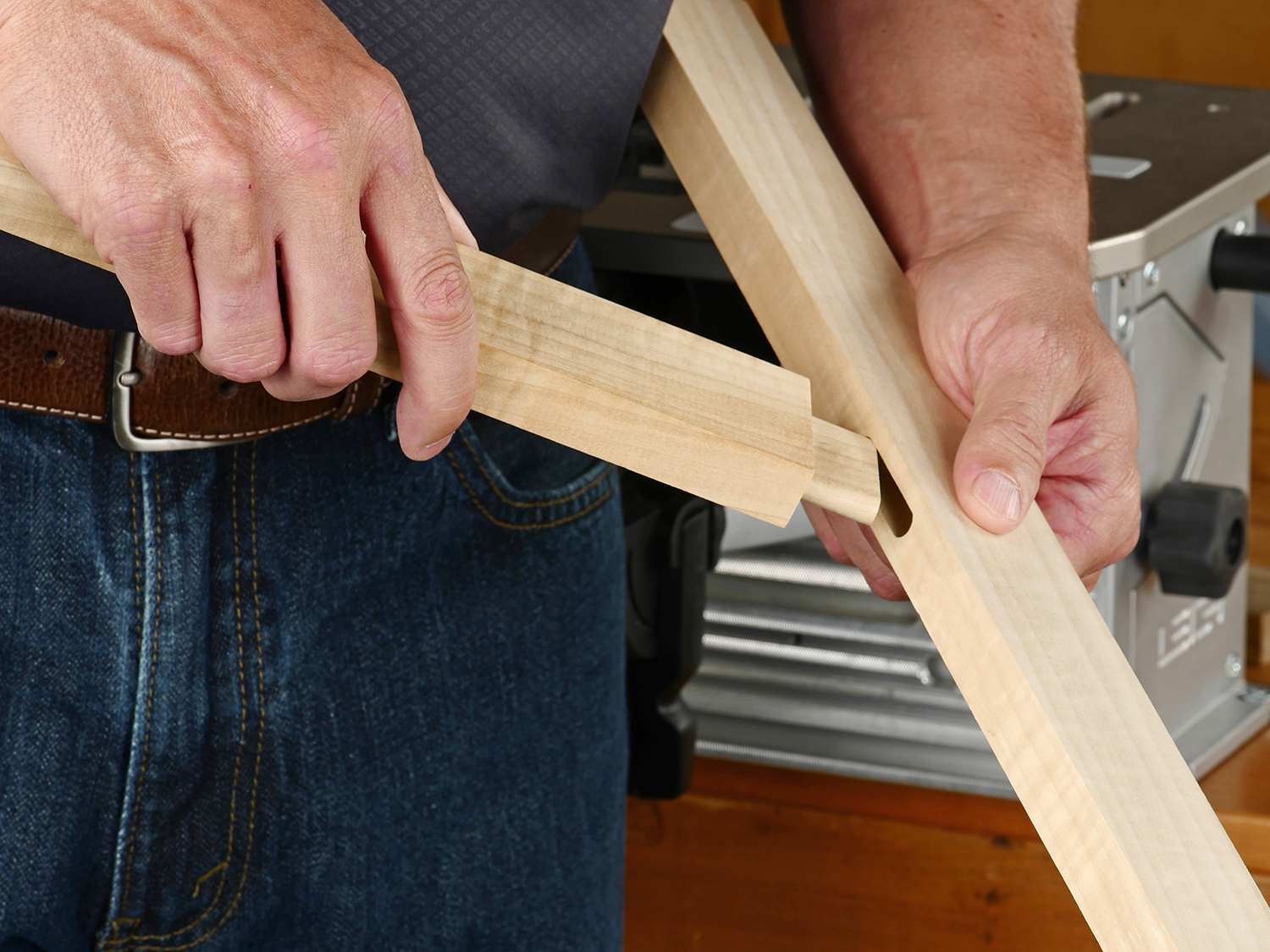
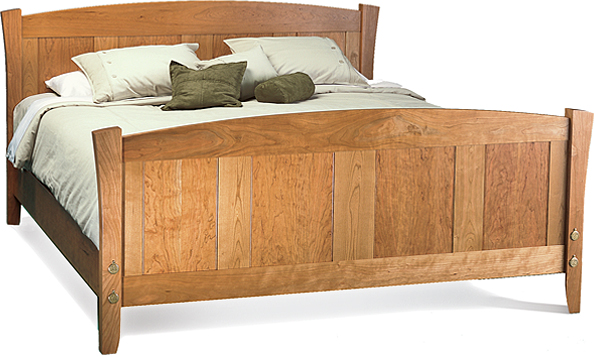
Mortise & tenon joints routed on the FMT Pro are immensely strong and virtually indestructible. This centuries-old joint is the thoroughbred of all woodworking joints and is used in fine furniture and cabinetmaking everywhere. You can easily make tables, chairs and stunning pieces like the bed below.
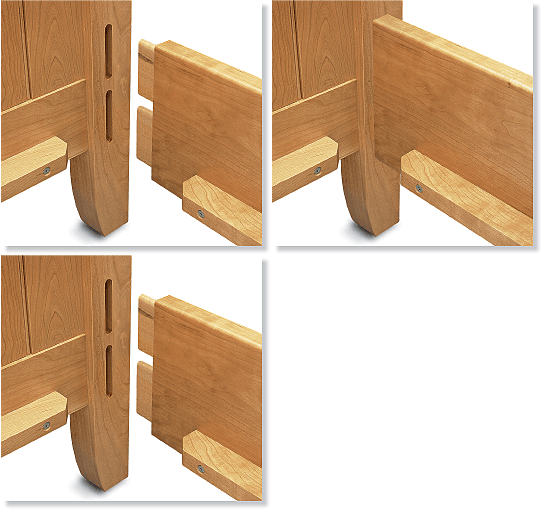
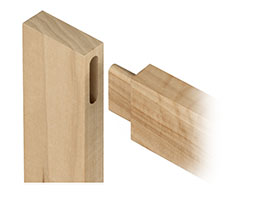
Single
- For chairs, small tables, display units, rail and stile (frame and panel) construction
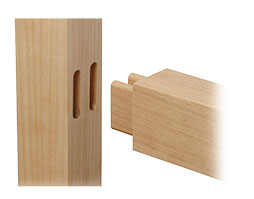
Double (Twin)
- For tables, workbenches, beds
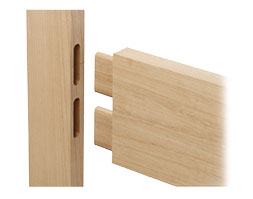
Double (In Line)
- For tables, workbenches, beds
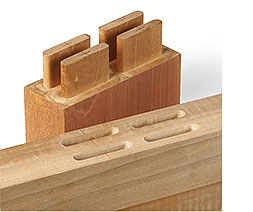
Quadruple
- For workbenches, beds
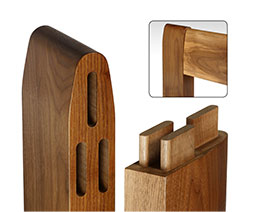
Triple
- For shaped handrails/posts, headboard, bench back rail
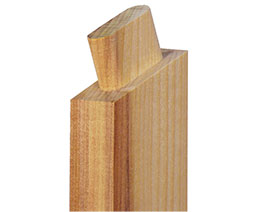
Angled Tenons
- Simple and compound
- For chairs, garden benches
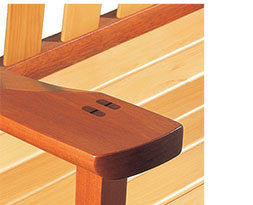
Through Tenons
- Beautiful design element on furniture
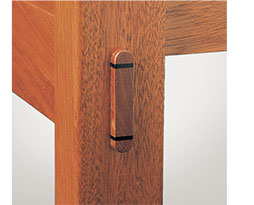
Raised Through Tenons
- Bold 3D design element on furniture
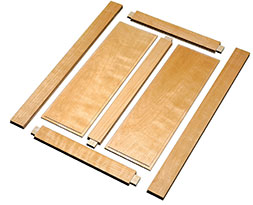
Rail and Stile Joinery
- Also called frame and panel
- Popular decorative feature for cabinet doors, furniture and homes
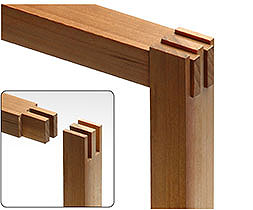
Bridle Joints - Standard
- Single or multiple, for photo frames, table bases, workbenches, decorative corners
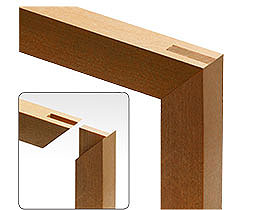
Bridle Joints - Mitered
- For photo frames, table bases and tops, workbenches, decorative corners
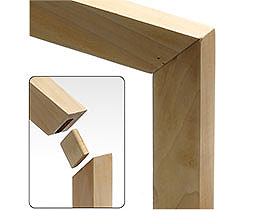
Floating Tenons
- For photo frames, table bases and tops
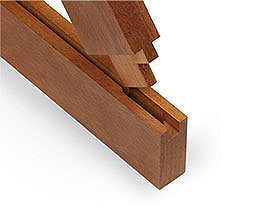
Haunched Joints
- For rail and stile (frame and panel) door construction
- To fill the end of the stile groove which is sometimes run right through
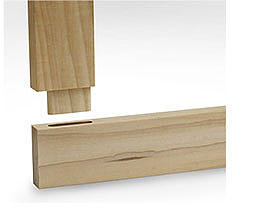
Asymmetric Tenons
- Tenon is uncentered on its shoulder for more strength at mortise board end
- For framed, ledged and braced windows and doors
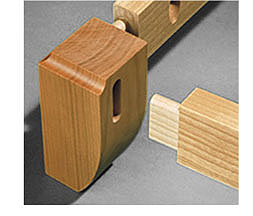
Different Workpiece Thicknesses
- For all kinds of furniture construction
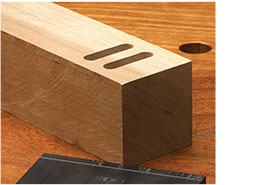
Y-Axis Mortises
- For routing mortises at 90° to the clamp plate
- Optional guide required
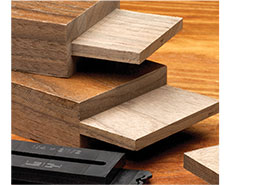
Square Tenons
- Often used for replicating period furniture
- Optional guides required
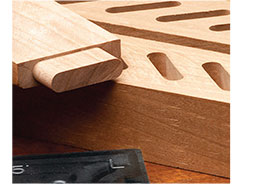
Louver Doors
- Louver doors and windows
- Optional guides required
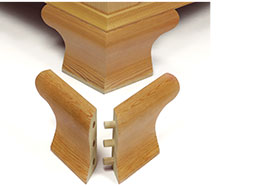
Dowel Joints
- For joints requiring less strength
- For unusually shaped workpieces of all types
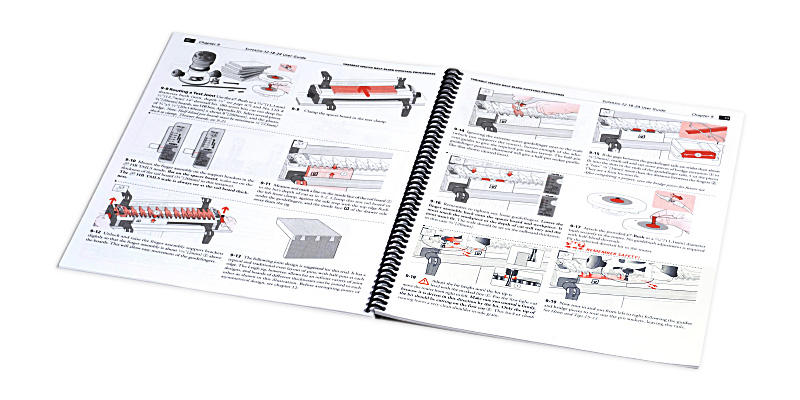
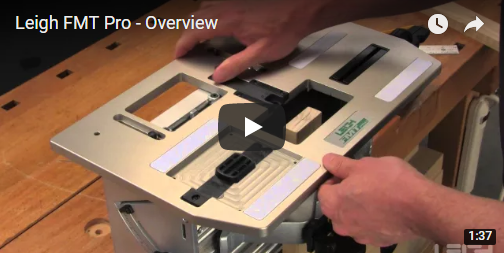
The FMT Pro routs both the mortise and matching tenon, with just one setup. The universal sub-base is guided by two guide pins. The right-hand pin runs in the track to the right. The left-hand pin steers the router around the outside of the joint guide to rout the tenon, or in the centre slot to rout the mortise.

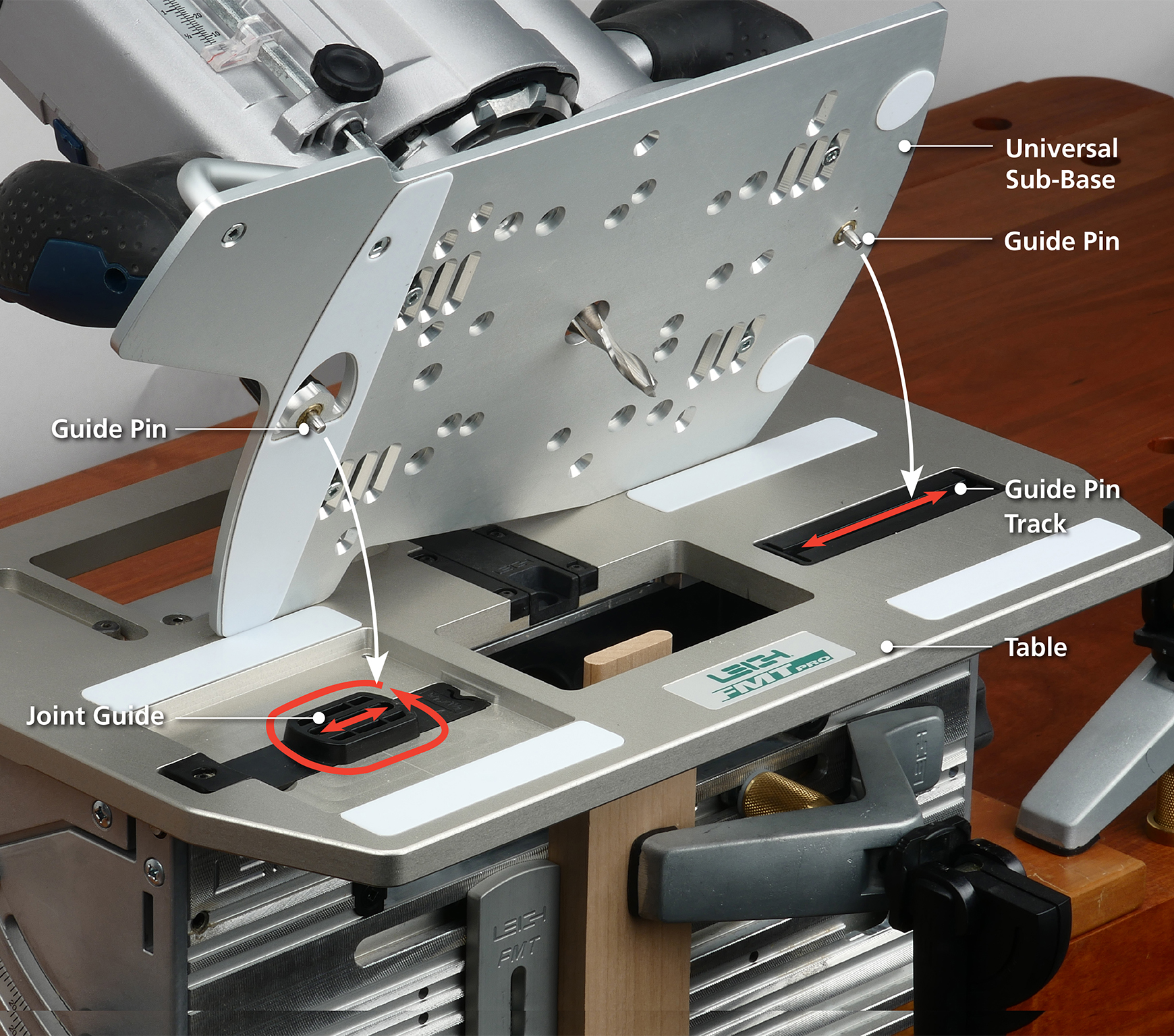
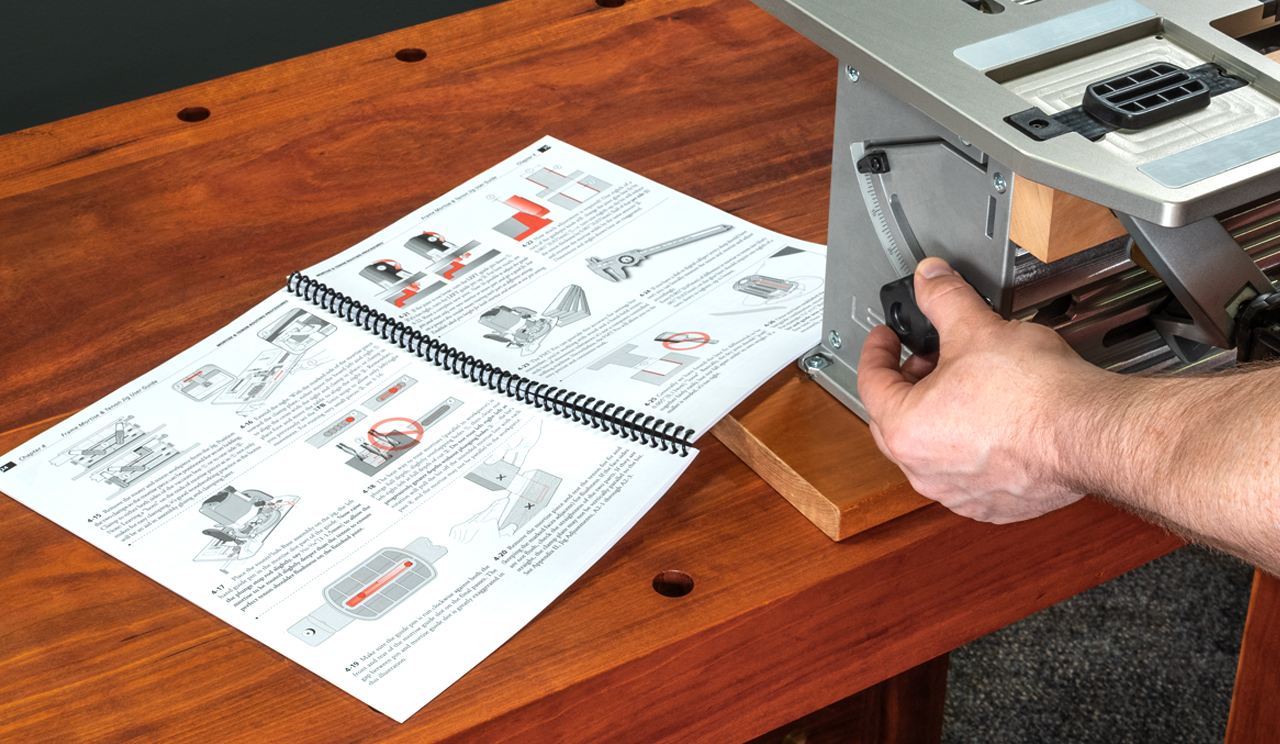
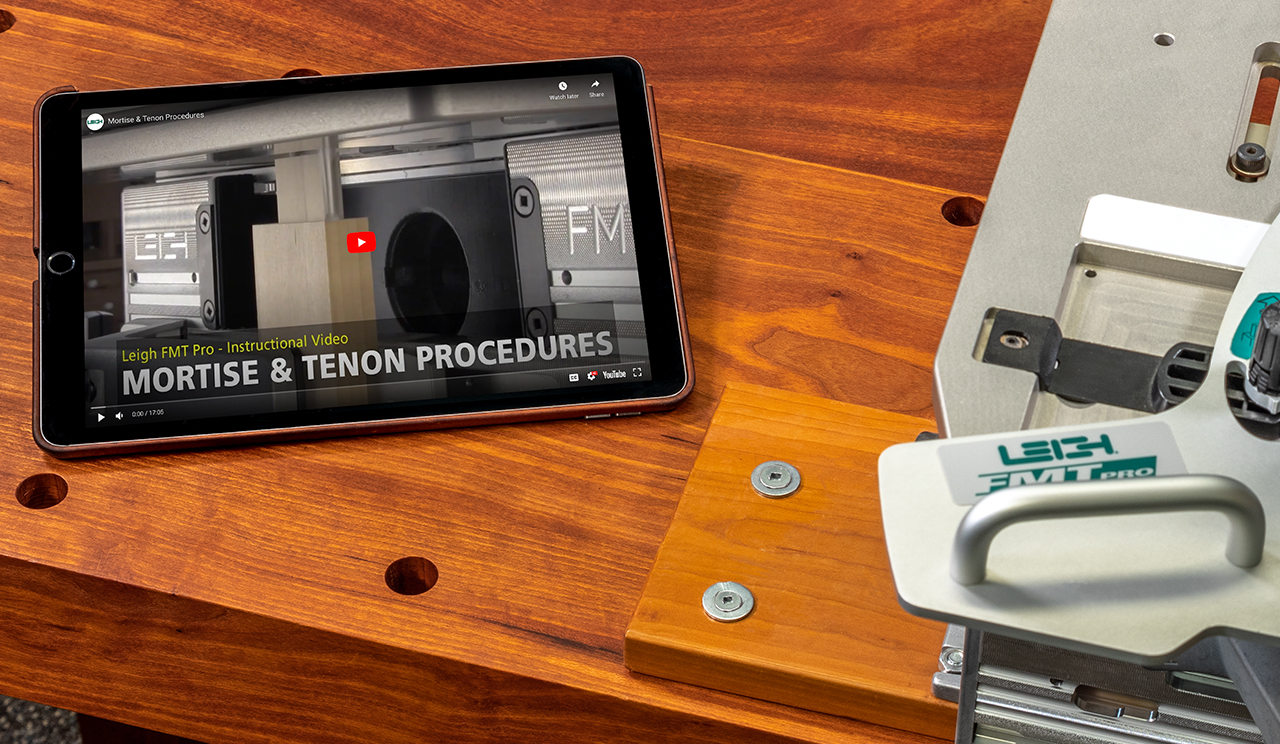
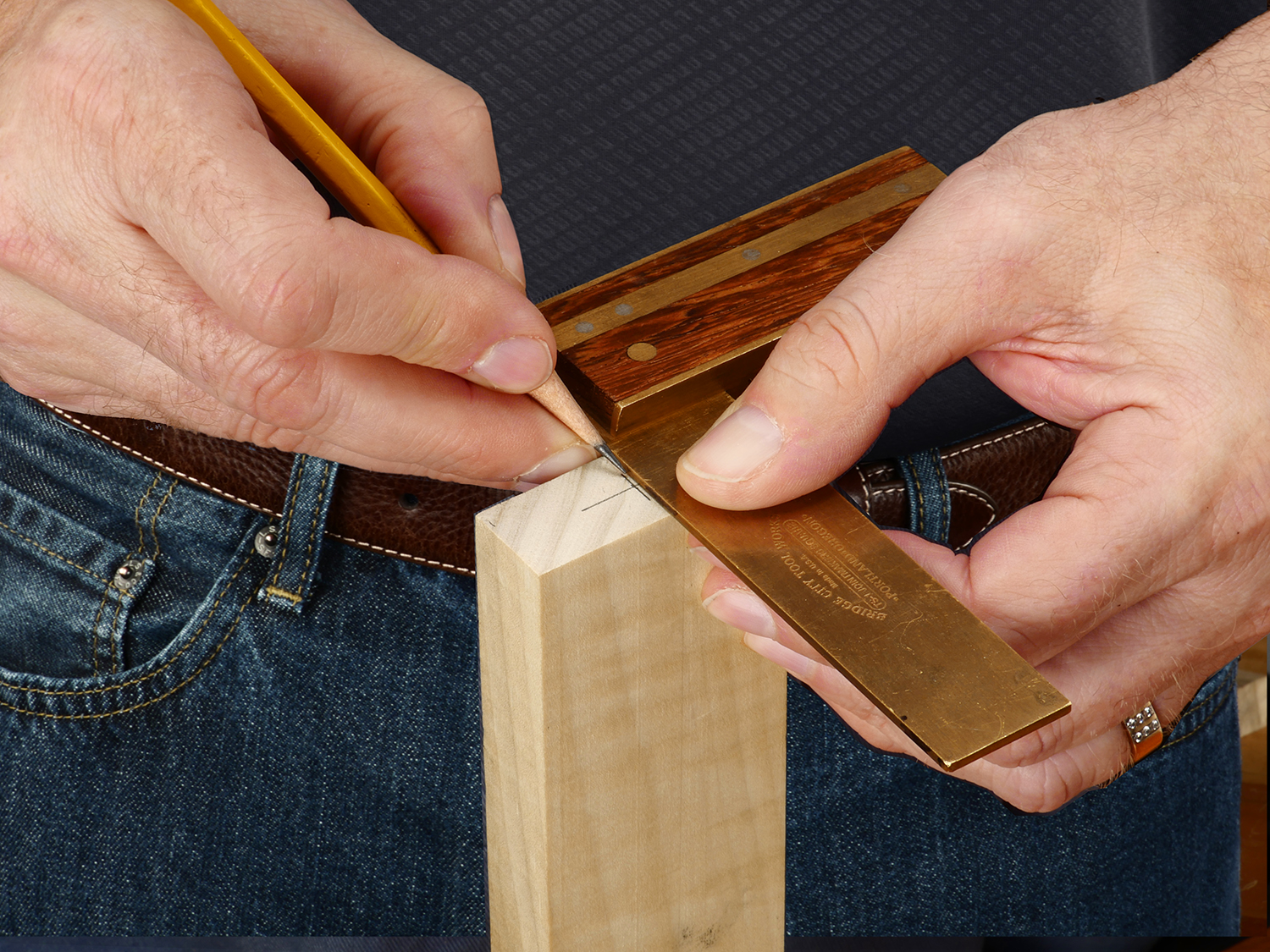
1 Mark the center of the tenon on the tenon workpiece.
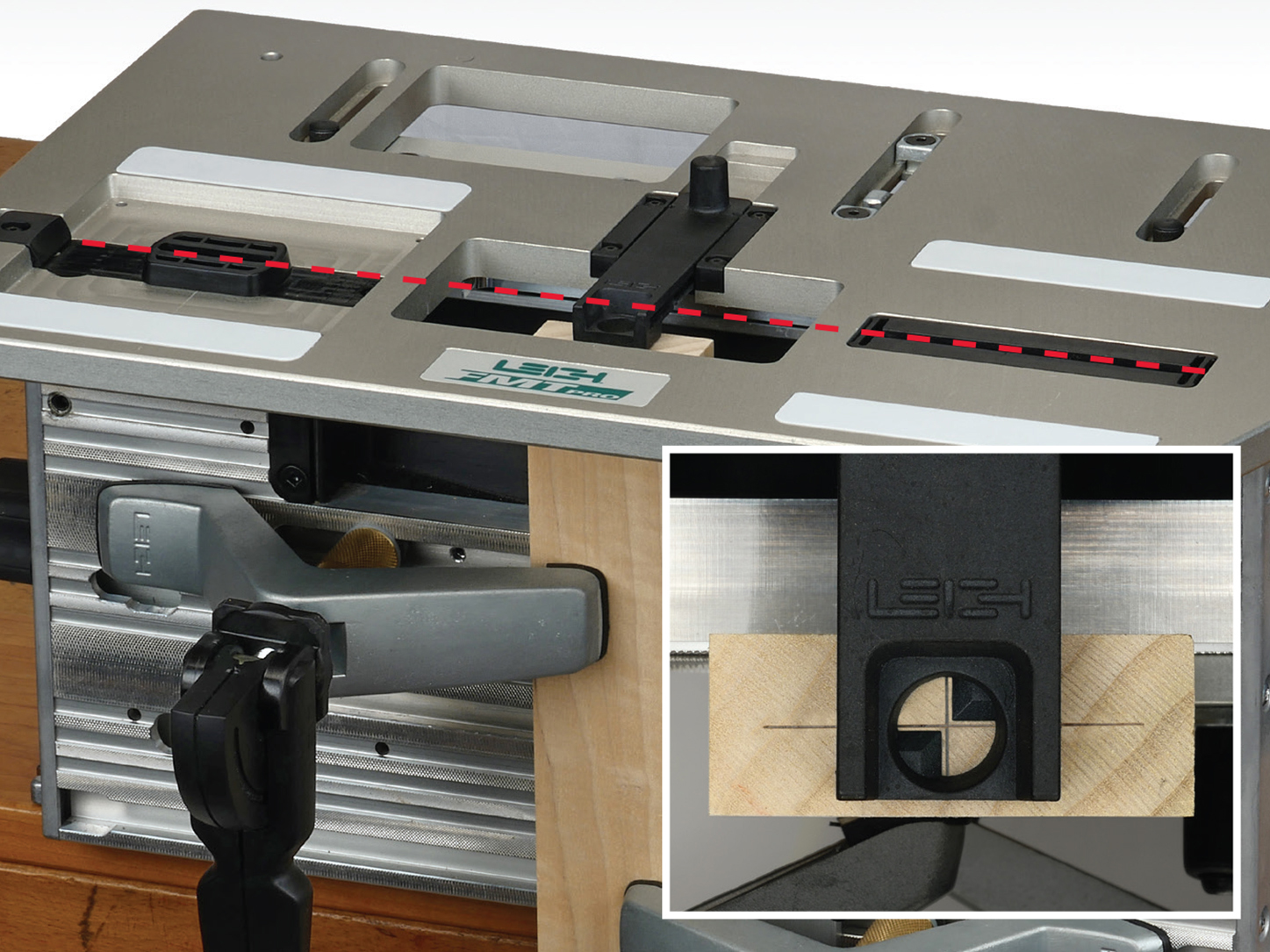
2 Clamp the workpiece against the clamp plate. Move the table to position the retractable sight over the layout lines. Lock the table.
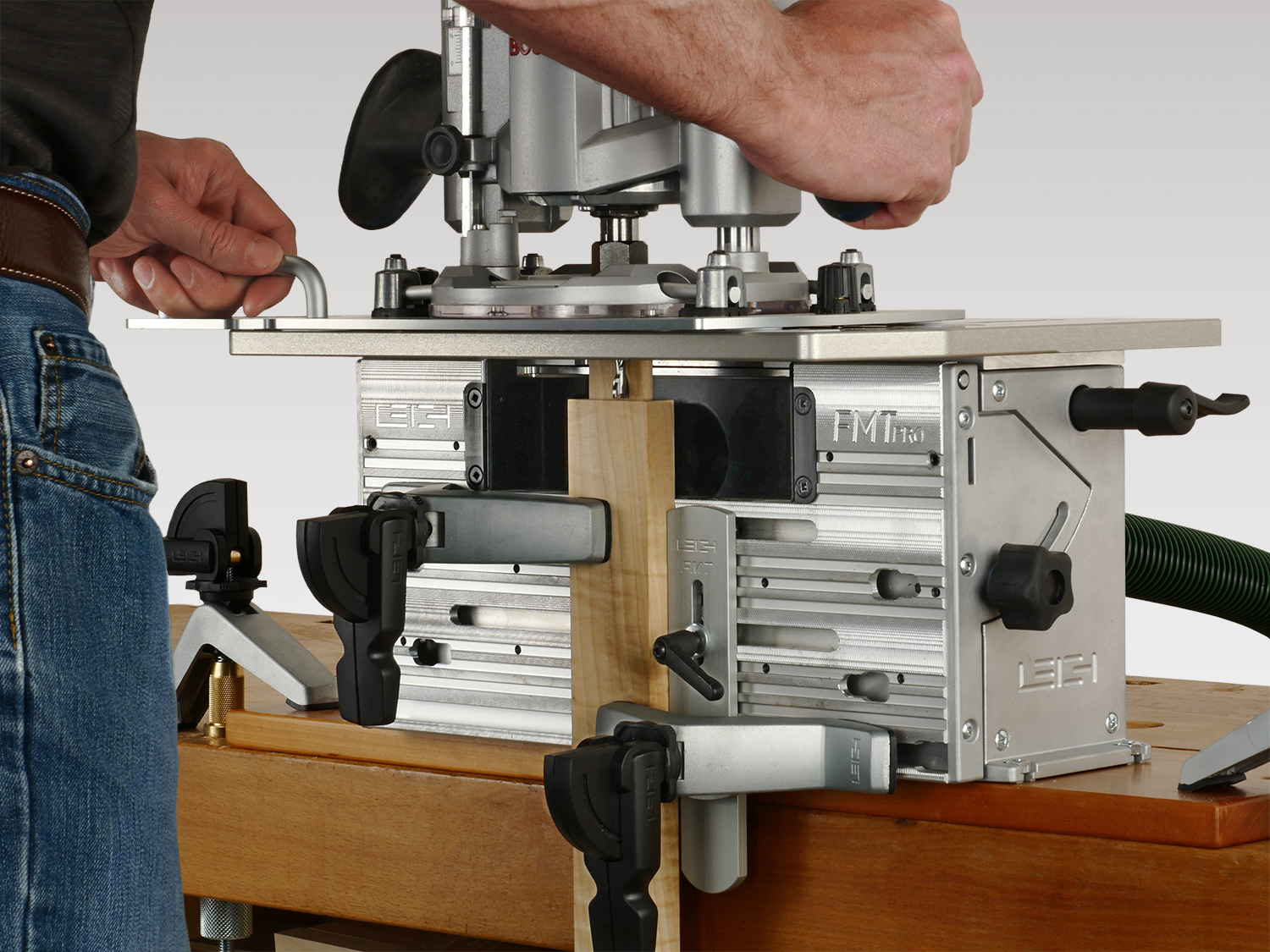
3 Place the router/sub-base on the table with the right sub-base guide pin in the right guide track and the left pin, positioned to track around the guide. Rout the tenon.
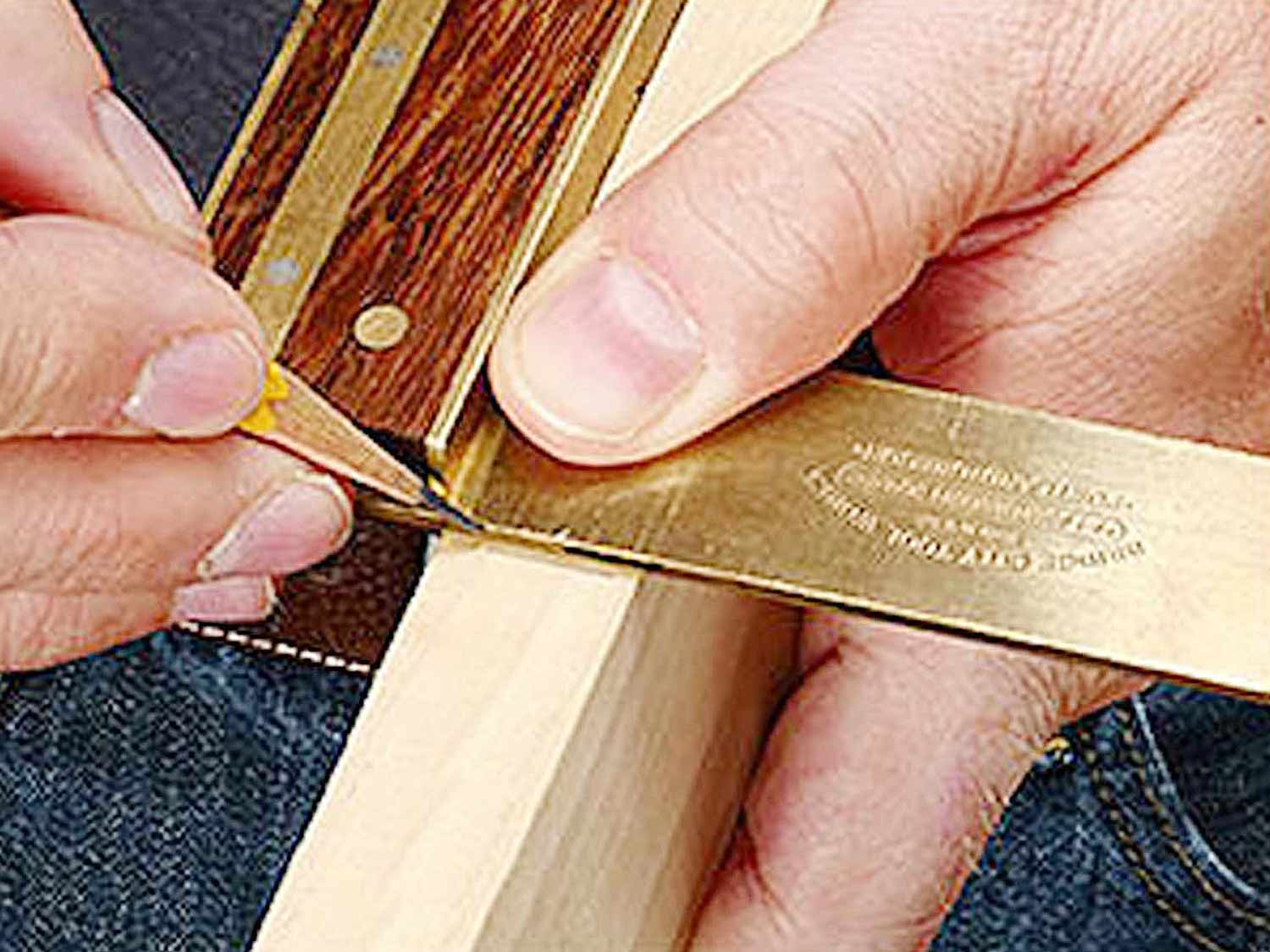
1 Mark the left-to-right mortise position on a mortise workpiece.
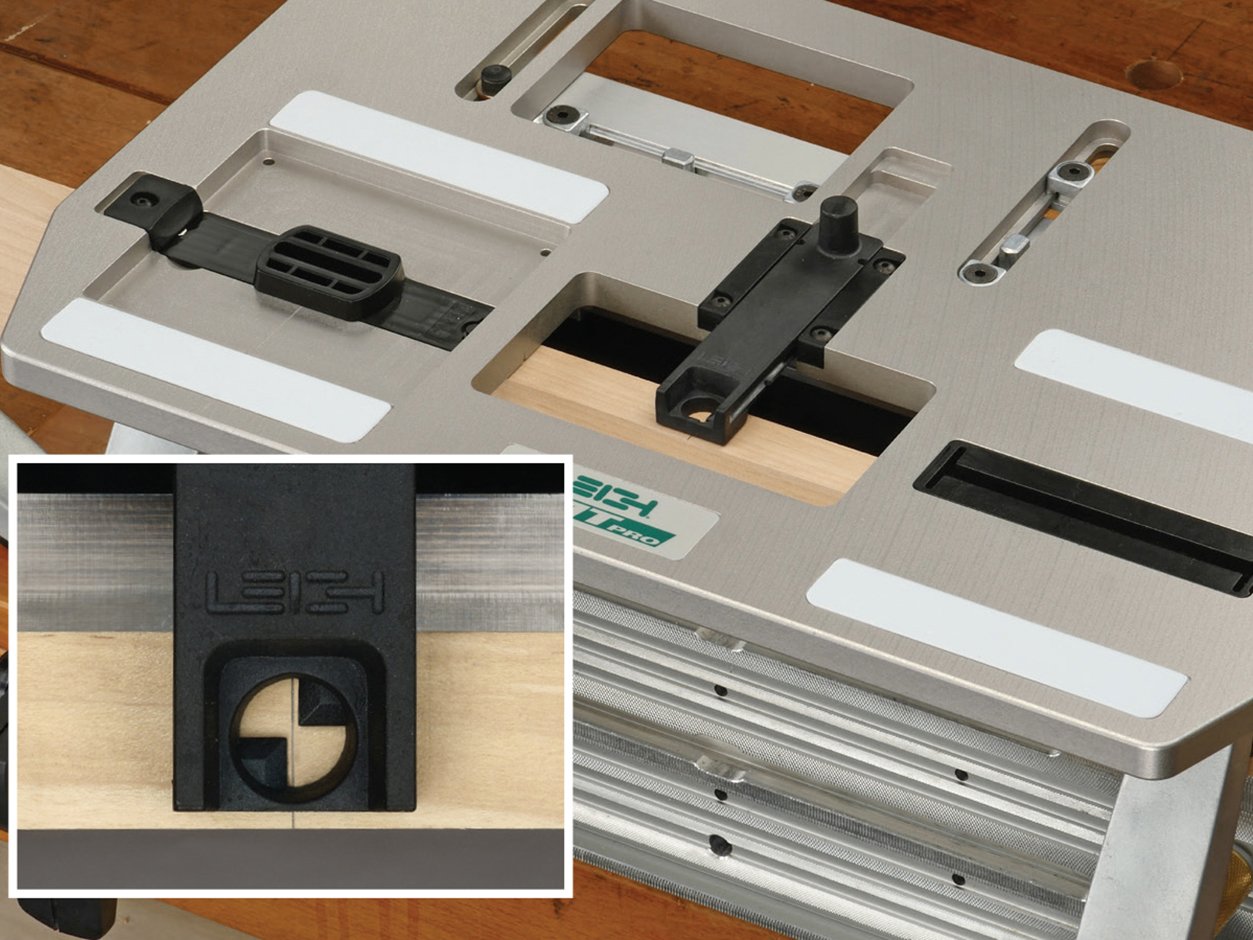
2 The table remains in the same position. Clamp the mortise board to the jig with the mark aligned to the sight.
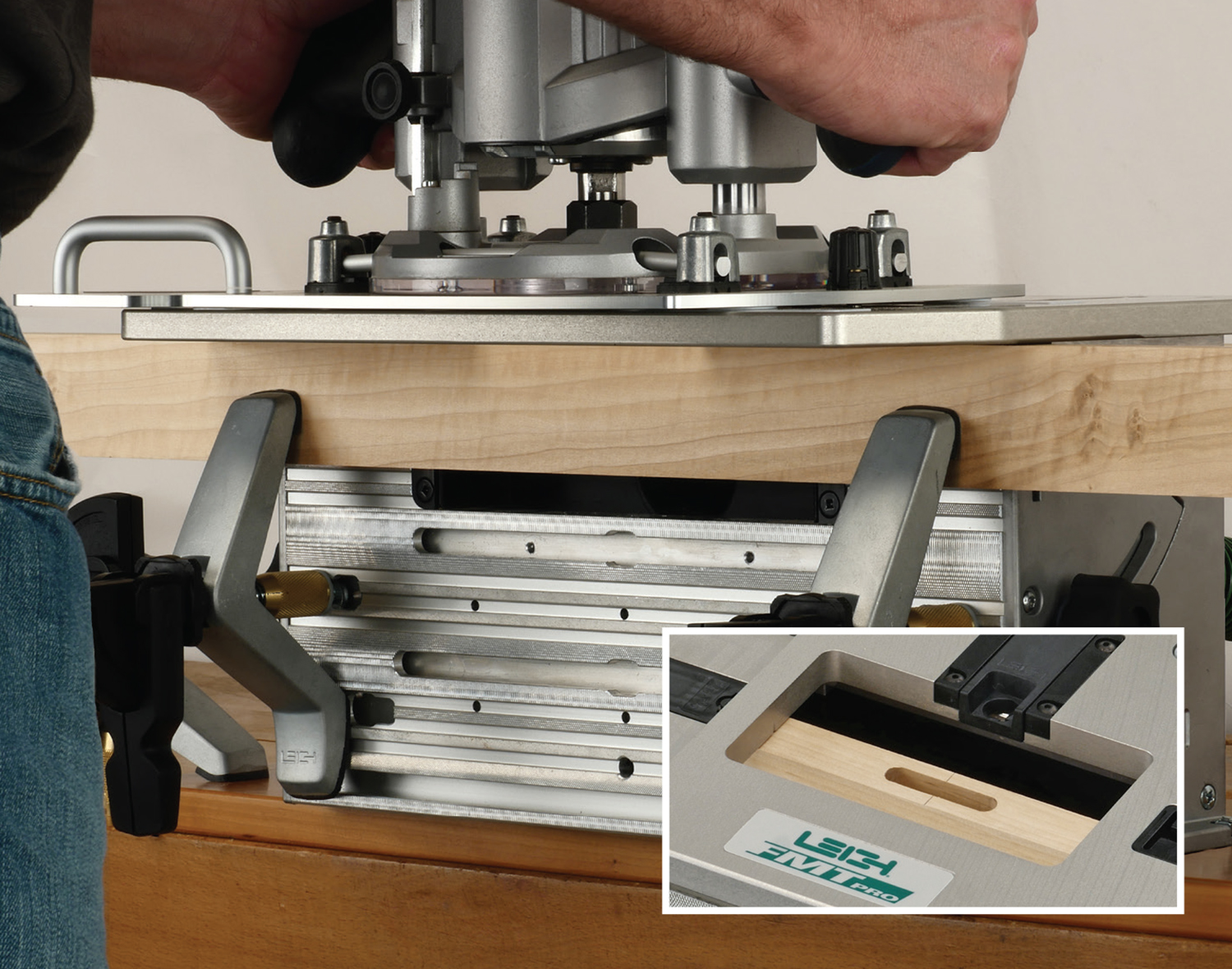
3 Place the router/sub-base on the jig table and plunge rout the mortise.